Investor hails Zim agric potential as US$1BN funds roll out
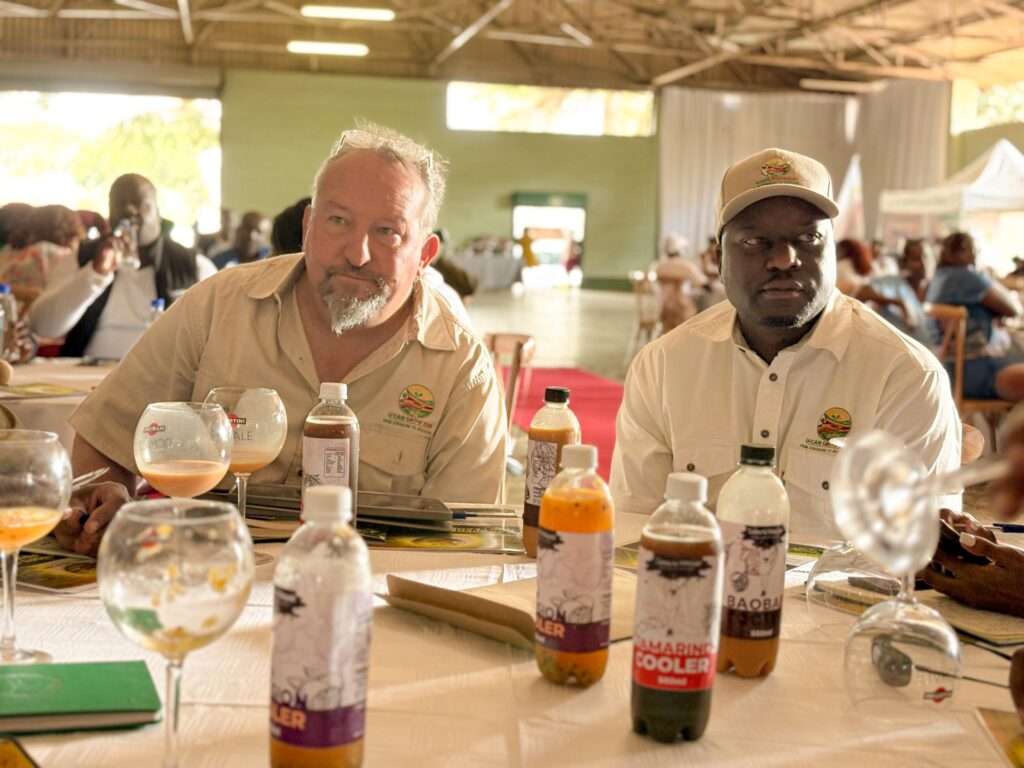
CO-FOUNDER of South African global empowerment organisation U Can Company (UCAN), Mr Steve Carver with Dr. David Munowenyu at U CAN GROW inagural workshop in Harare Zimbabwe.jpg
CO-FOUNDER of South African global empowerment organisation U Can Company (UCAN), Mr Steve Carver, has described Zimbabwe as the premier investment destination for agricultural transformation in Africa.
He cited high levels of farmer enthusiasm and a robust extension officer network as key competitive advantages, with plans for national expansion linked to international fundraising of up to US$1 billion from institutional investors.
Speaking after a one-week extensive assessment of the country’s farming landscape, Mr Carver expressed confidence in the success of the US$15 million Zimbabwe National Livelihood Graduation Programme (ZNLGP), which aims to transition over 100 000 smallholder farmers from aid dependency to bankable, commercial livelihoods.
Zimbabwean entrepreneur David Munowenyu, in partnership with UCAN, an International company, structured a major agricultural investment programme targeting smallholder farmers, in a move expected to boost productivity and expand the sector.
During his visit, Mr Carver said the visible productivity in farming hubs like Beatrice, where young farmers are leading the charge in high-value chains.
“Of all the countries we have invested in, I think Zimbabwe is the best,” Mr Carver said. “The enthusiasm among Zimbabwean farmers is great; everywhere you go, people are talking about farming, and the food is plentiful. I saw young farmers in Beatrice managing five hectares of cabbage and others excelling in blueberries.”
He particularly lauded the country’s human capital, highlighting the critical role of government extension services in driving productivity.
“Zimbabwean extension officers are the best in Africa because they are hands-on. Every farmer is in communication with an officer, which makes the prospects for growth incredibly high. The government’s policies are creating a conducive environment, and these young farmers are complementing those efforts perfectly,” he added.
The ZNLGP, a collaboration between UCAN, One Bridge, the David Munowenyu Foundation, and the African Manufacturers Foundation (AMF), is designed to move beyond traditional “input-only” donor models.
“Our investment will be market-led, with a heavy emphasis on monitoring and value creation,” Mr Carver added. “We want to make agriculture exciting and ensure our investment bears fruit by tapping into the natural drive of the Zimbabwean people.”
This initiative is a strategic alignment with Zimbabwe’s Vision 2030, specifically designed to bolster the Government’s ambitious goal of creating a 16 billion agricultural sector.
Phase 1 of the programme will be backed by a blended capital facility of between US$5 million and US$15 million, with plans for national expansion linked to international fundraising of up to US$1 billion from institutional investors.
The initiative is anchored on UCANN’s Smallholder Inclusive Business Building (SIBB) model, which combines market access, input financing and credit-building support over three years.
Spearheaded by Zimbabwean entrepreneur Mr David Munowenyu, who secured the deal, the programme is positioned as a “game-changer” for young farmers across all ten provinces who have historically faced barriers regarding technical expertise and market access.
To ensure long-term sustainability, the initiative mandates a multi-cropping approach—requiring each farmer to cultivate a minimum of three crops.
This strategy is intended to build climate resilience and provide year-round income, effectively breaking the cycle of poverty often associated with short-term, donor-reliant agricultural models
Agricultural expert, Mr Clever Pote, welcomed the initiative, saying it comes at a critical time as Zimbabwe implements the National Development Strategy 2 (NDS2).
The pilot phase is expected to generate data required to unlock wider expansion targeting more than 100,000 livelihoods across multiple districts.
As seen in The Herald article by Kudakwashe Mugari