Conference of African Traditional and Cultural Leaders on GBV Prevention Concludes in Lagos

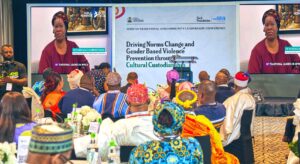
The Conference of African Traditional and Cultural Leaders on Gender-Based Violence (GBV) Prevention concluded today in Lagos, marking a significant milestone in Africa’s collective efforts to end violence against women and girls through culturally grounded leadership and policy action.
Convened by the Ford Foundation and UN Women in partnership with the Government of Nigeria, the four-day gathering brought together traditional rulers, policymakers, civil society leaders, development partners, and regional institutions from across the continent. The conference focused on strengthening the role of cultural and religious authorities in transforming harmful social norms, promoting gender equality, and embedding GBV prevention within national and regional governance systems.
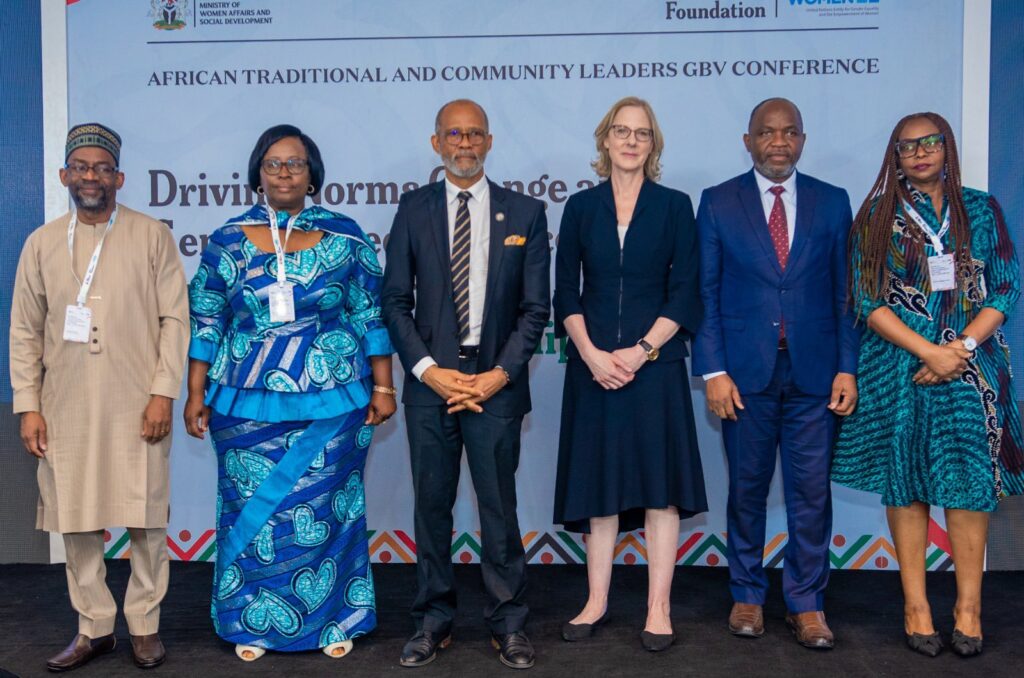
Addressing delegates, Dr. Maxime Houinato, Regional Director of UN Women for West and Central Africa, emphasized the centrality of culture in Africa’s governance and social systems. “Culture is not marginal in Africa, it is foundational. When cultural authority aligns with justice, dignity, and equality, communities become safer and institutions gain legitimacy,” he said. Dr. Houinato stressed that legislation alone is insufficient to end gender-based violence.“GBV prevention cannot rely on laws and policies alone. Sustainable change happens when cultural authority aligns with human rights, and when leadership speaks clearly against abuse, silence, and impunity,” he noted.
He further observed that violence against women reflects deeper structural problems. “Gender-based violence is not the root problem, but one of the clearest symptoms. Ending GBV requires affirming the norms and institutions that guarantee equality and justice for all that is anchored in culture, strengthened by leadership, across Africa,” he added.
His Royal Highness Muhammadu Sanusi II, Emir of Kano, delivered a strong message on the protection and education of girls “We cannot give up on the safety of every girl child. It is our responsibility to push boundaries until it is achieved,” the Emir said. He highlighted education as a powerful tool against abuse and early marriage. “Keeping girls in school is one of the most powerful ways to end gender-based violence and early marriage,” he emphasized.
African-Led Solutions for Lasting Change
Beatrice Eyong, UN Women Representative to Nigeria and ECOWAS, underscored the importance of strong leadership and African ownership of solutions. “When leaders act, norms shift, communities follow, and women and girls are better protected,” she said.
Ms. Eyong reaffirmed UN Women’s commitment to supporting locally driven initiatives. “We are committed to supporting African-led solutions; real and lasting change comes from Africa, led by Africans,” she stated. Addressing traditional authorities, she urged them to take bold action. “Bold actions by traditional leaders turn harmful customs into stories of dignity and justice. Transforming tradition can save lives,” she said.
Mohamed Fall, UN Resident Coordinator in Nigeria, highlighted the life-saving impact of leadership at community level. “In the fight against gender-based violence, your influence saves lives. Communities listen to those they trust. When leaders champion dignity, equality, and protection, futures are transformed,” he told participants.
Heather Gerken, representing the Ford Foundation, praised the collaboration between development partners and traditional institutions. “We are proud to be collaborating with faith and traditional leaders who are working to transform harmful social norms so women and girls in their communities can live to their fullest potentials,” she said.
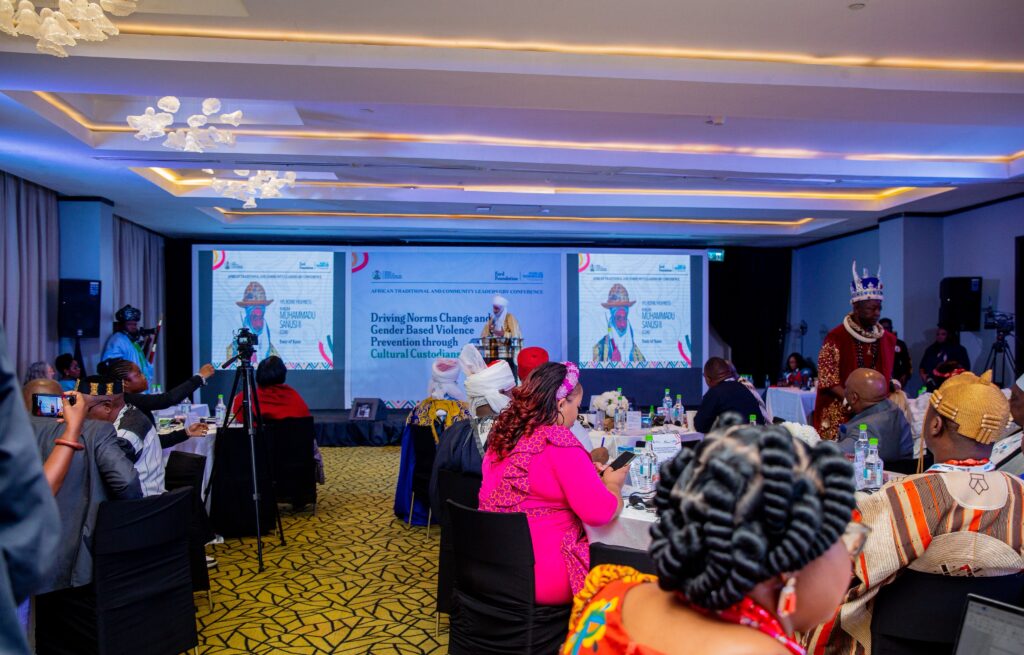
The conference concluded with the endorsement of a Regional Declaration and Communiqué committing traditional leaders to actively combat GBV and promote gender justice. Delegates also agreed on a Sustainability Roadmap aimed at integrating cultural leadership into long-term national and continental GBV prevention frameworks.
Participants further resolved to strengthen collaboration between traditional institutions, governments, and regional bodies, including the African Union and ECOWAS, to ensure coordinated implementation and accountability.
Organizers described the conference as a turning point in positioning traditional and cultural leadership at the heart of Africa’s GBV prevention agenda.
With renewed political will, strengthened partnerships, and clear commitments, the Lagos conference is expected to set the stage for sustained, real grassroots-led action to safeguard the rights, dignity, and futures of women and girls across the continent.