Frantz Fanon at 100: Algerian Ambassador Celebrates Enduring Legacy of Liberation and Human Dignity
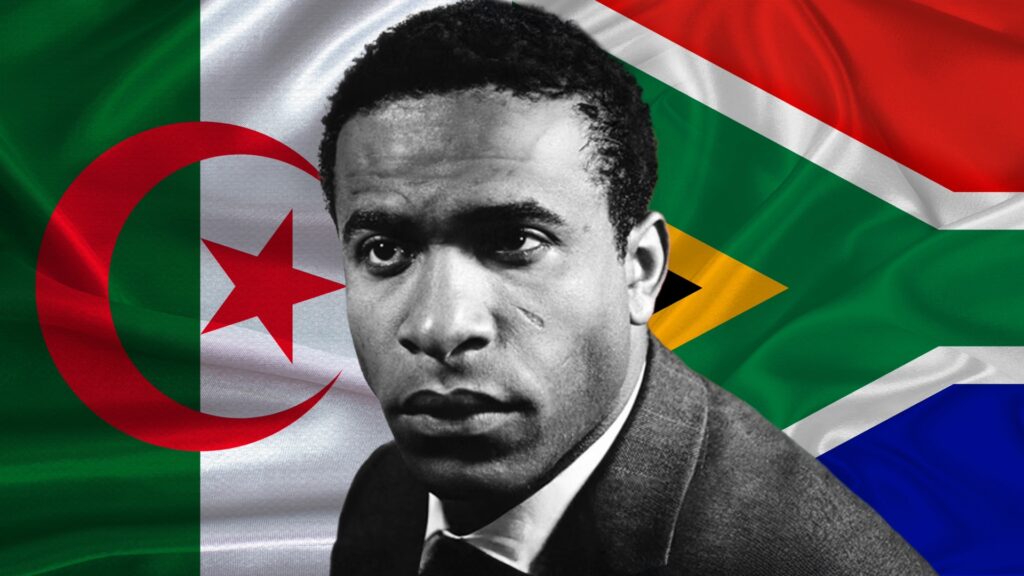
The Ambassador of the People's Democratic Republic of Algeria to South Africa, His Excellency Ali Achoui, has reaffirmed the enduring relevance of Frantz Fanon's philosophy of liberation, dignity and African unity, describing the revolutionary thinker as a timeless symbol of resistance whose ideas continue to inspire struggles for justice across the world
JOHANNESBURG, South Africa — 11 June 2026 — The Ambassador of the People’s Democratic Republic of Algeria to South Africa, His Excellency Ali Achoui, has reaffirmed the enduring relevance of Frantz Fanon’s philosophy of liberation, dignity and African unity, describing the revolutionary thinker as a timeless symbol of resistance whose ideas continue to inspire struggles for justice across the world.
The Ambassador was delivering opening remarks during a special screening commemorating the centenary of the birth of Frantz Fanon, hosted by the Nelson Mandela Foundation in partnership with the Embassy of the People’s Democratic Republic of Algeria in South Africa on Thursday evening.
The event also featured special reflections by Olivier Fanon, son of Frantz Fanon, who spoke on his father’s enduring intellectual and political legacy. The screening formed part of the Nelson Mandela Foundation’s ongoing engagement with Fanon’s contributions to liberation, decolonisation, human dignity and justice; principles that continue to shape discourse across Africa and beyond.
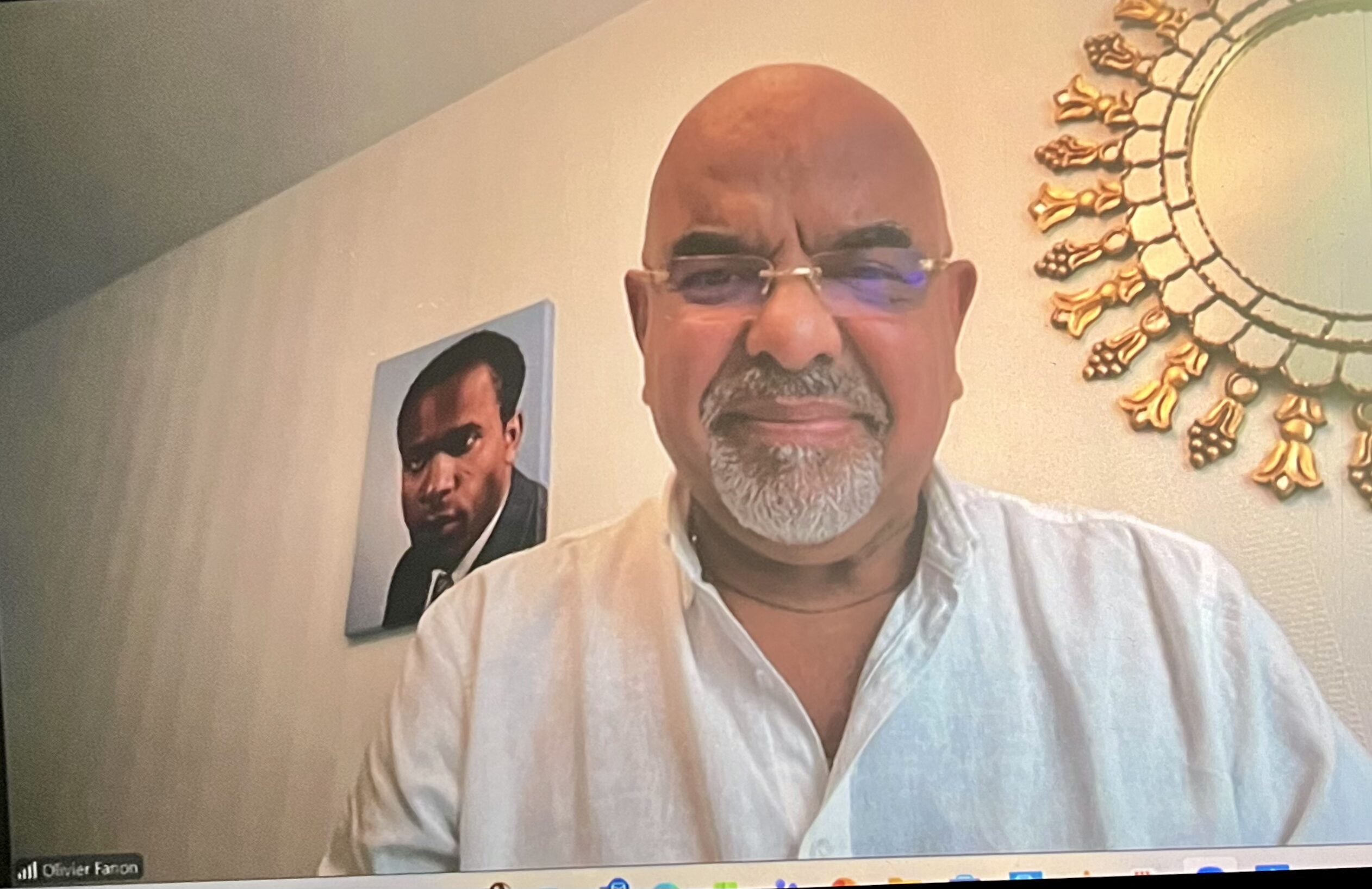
Addressing invited guests, diplomats, scholars and members of civil society, Ambassador Achoui noted that Fanon’s ideas retain profound significance for both Algeria and South Africa, countries united by histories of resistance against oppression and a shared commitment to freedom and human dignity.
“The life and thought of Frantz Fanon resonate particularly strongly in both Algeria and South Africa,” the Ambassador said. “Our two nations share a history shaped by resistance against oppression and a common commitment to the principles of liberation and human dignity.”
He recalled the historic relationship between Algeria and South Africa’s liberation struggle, referencing the words of the late President Nelson Mandela, who famously acknowledged the transformative influence of the Algerian Revolution, declaring: “The Algerian Revolution inspired me enormously. Algeria made me a man.”
Ambassador Achoui reflected on Mandela’s 1962 visit to Algeria, where the future South African President received military training from officers of the National Liberation Army and witnessed first-hand the determination of a people who had overcome colonial domination.
He emphasised that throughout the apartheid era, Algeria stood firmly alongside the South African people by providing political and diplomatic support to the liberation movement, describing such solidarity as both a moral obligation and a reflection of Algeria’s own historical experience.
“It was our duty to support our sisters and brothers in South Africa and across the African continent,” he stated, adding that the same principles continue to underpin Algeria’s support for the Palestinian and Western Sahara causes.
The Ambassador devoted significant attention to Fanon’s personal journey, describing as extraordinary his decision to embrace Algeria not by birth but through conviction and political commitment.
After serving during the Second World War and later practising psychiatry in colonial Algeria, Fanon witnessed the profound psychological effects of colonial domination on the Algerian people. Through his medical practice and engagement with society, he concluded that colonialism lay at the heart of their suffering and chose to dedicate himself to the struggle for national liberation.
Although born in Martinique, Fanon became Algerian by choice, joining the independence movement and ultimately serving as the inaugural ambassador of the Provisional Government of the Algerian Republic to Ghana in 1960, two years before Algeria attained independence.
Ambassador Achoui described Fanon as an integral figure in Algeria’s national history whose intellectual contributions, particularly through Black Skin, White Masks and The Wretched of the Earth, transformed global understandings of colonialism, identity and liberation.
He observed that Fanon’s influence extended well beyond Algeria, inspiring generations of African leaders, intellectuals and activists throughout the Global South.
In South Africa, he said, Fanon’s writings contributed significantly to broader debates surrounding freedom, identity, equality and decolonisation, while remaining highly relevant in addressing contemporary challenges of racism, inequality, social justice and inclusive development.
The Ambassador stressed that Fanon’s work reminds humanity that freedom is not merely a political achievement but an ongoing process requiring vigilance, dialogue, education and solidarity.
Highlighting contemporary bilateral relations, Ambassador Achoui said the partnership between the Embassy of Algeria and the Nelson Mandela Foundation reflected the deep historical ties between Algeria and South Africa and symbolised their shared aspirations for peace, development and African unity.
He noted that both countries continue to cooperate closely within the African Union, the United Nations and other multilateral institutions, united by commitments to sovereignty, self-determination, international law and the peaceful resolution of conflicts.
“As Africans, we have a collective responsibility to preserve the memory of those who fought for our freedom and to pass their legacy on to future generations,” he said.
Describing the commemorative film as an important contribution to that mission, the Ambassador encouraged audiences to reflect not only on Fanon’s life but also on the values for which he stood.
He further underscored Fanon’s enduring belief in African unity as an essential means of overcoming shared continental challenges, arguing that his vision of solidarity remains as relevant today as it was during the liberation struggles of the twentieth century.
“As Africa works towards greater unity, peace and prosperity, Frantz Fanon’s legacy continues to inspire us to build the continent that our leaders and our peoples aspire to achieve,” he remarked.
Concluding his address, Ambassador Achoui called on participants to celebrate both the resilience of African peoples and the enduring friendship between Algeria and South Africa, expressing confidence that Fanon’s vision would continue to inspire efforts towards a more just, equitable and humane world.
The centenary commemoration reinforced the continuing relevance of Fanon’s intellectual legacy at a time when debates surrounding decolonisation, identity, sovereignty and social justice remain central to Africa’s development agenda and global discourse.